

NIGERIA ORDERS CONSTRUCTION WORK BREAKS AS EXTREME HEAT THREATENS WORKERS

Nigeria has introduced new workplace safety measures requiring construction companies to suspend non-essential, labour-intensive outdoor activities during peak afternoon heat, as rising temperatures increase the risk of dehydration, heat exhaustion and other heat-related illnesses among workers.
Nigeria’s construction industry has been urged to limit heavy outdoor work during the hottest hours of the day as authorities introduce measures to protect workers from the growing health risks associated with extreme heat.
The Sector Skills Council for Building in Nigeria has directed construction companies and property developers to suspend non-essential, labour-intensive activities between 12 noon and 3:30 pm daily.
The directive also requires employers to provide workers with regular rest and hydration breaks, access to clean drinking water and shaded areas at construction sites.
The council’s president, Samson Ameh Opaluwah, said rising temperatures, prolonged dry spells, dusty conditions and flash flooding were creating increasing risks for construction workers.
In a national safety advisory issued on Tuesday, the council identified roofing, concrete pouring, manual excavation and scaffolding as activities that should be avoided during peak heat periods.
It recommended rescheduling such tasks to cooler parts of the day, particularly between 6:00 am and 10:30 am, or during late afternoon and evening hours. Adequate lighting should be provided where work extends into the evening.
The advisory also recommends mandatory hydration breaks of five to 10 minutes every 20 minutes to help workers maintain adequate fluid levels and reduce the risk of heat-related illnesses.
Emphasising the importance of water access, the council directed construction companies to ensure that clean drinking water is available within 50 metres of every active work area.
Employers have also been advised to equip workplace first-aid facilities with oral rehydration salts, ice packs and wet towels to support prompt responses to heat-related health emergencies.
The council warned that prolonged exposure to high temperatures could lead to dehydration, heat cramps, heat exhaustion and potentially fatal heatstroke.
Physical exertion under intense heat can increase the body’s demand for water and make it more difficult to regulate internal temperature, particularly when workers have limited access to drinking water and shaded rest areas.
Beyond its direct health effects, extreme heat can also impair concentration, alertness and reaction times, increasing the likelihood of workplace accidents.
The council noted that heat-related fatigue could contribute to falls from scaffolding, machinery-related incidents and injuries caused by falling construction materials.
Access to Safe Drinking Water Central to Worker Protection
The new recommendations highlight the importance of reliable access to clean drinking water as part of occupational health and safety management, particularly for workers engaged in physically demanding outdoor activities.
Regular hydration, adequate rest, shaded recovery areas and adjustments to working hours are important measures for reducing the health effects of occupational heat exposure.
For construction companies, implementing these precautions is not only a worker welfare issue but also an important step towards maintaining productivity and reducing work-related injuries.
The council has urged construction companies and property developers to incorporate the recommended safety measures into their daily operations to protect employees from extreme weather conditions.
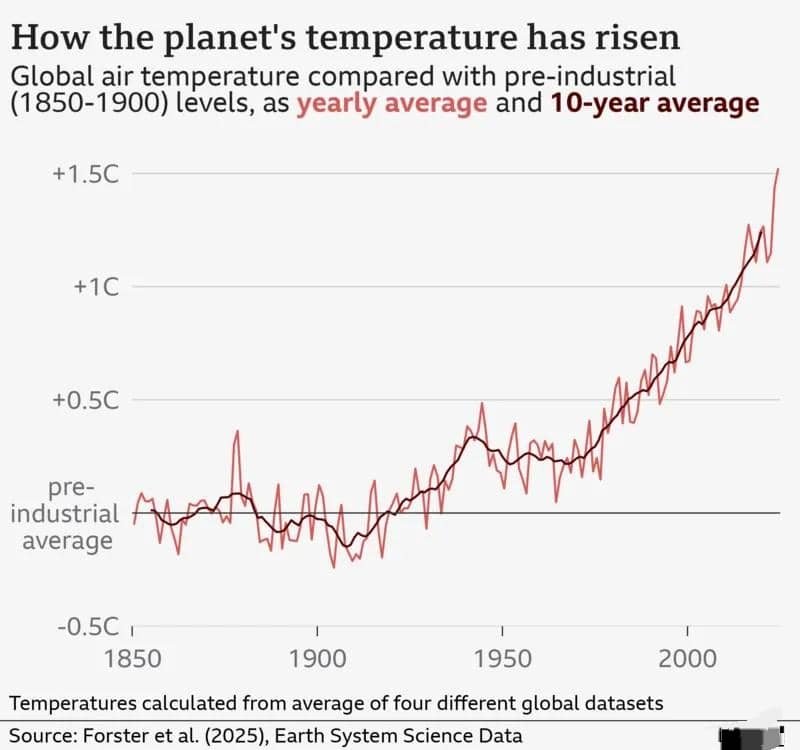
The directive comes amid growing concerns about the effects of climate-related temperature extremes on public health, workplace safety and business operations across Nigeria.