



GBV: HOW YOUTHS CAN IDENTIFY AND RESPOND TO ONLINE ABUSE

What should a young woman do when an abusive message, intimate image or threatening post suddenly appears online—and blocking the sender does not make the problem go away?
A new factsheet by the Journalists for Christ International Outreach, JFC Nigeria, is offering young people in Lagos practical steps to recognise and respond to such situations, as concerns grow over misogyny and technology-facilitated gender-based violence in both digital and non-digital spaces.
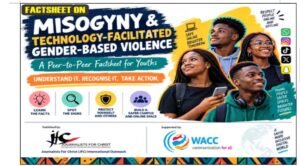
The resource, titled Factsheet on Misogyny and Technology-Facilitated Gender-Based Violence(TFGBV) provides guidance on how young people can identify different forms of gender-based abuse, protect themselves and support others facing online harassment.
The factsheet highlights how abuse can take place across platforms including WhatsApp, Instagram, TikTok, X, Snapchat and Facebook, as well as campus forums and other online communities.
Speaking on the initiative, Vice President of JFC Nigeria, Mrs Ugonma Cokey, said digital spaces had become an important part of everyday life for young Nigerians, providing opportunities for learning and communication while also creating avenues for abuse.
“these spaces provide learning opportunities, communication and can also be used to shame, threaten, sexually harass, stalk, monitor or control people because of their gender,” Cokey said.
She cautioned against dismissing attacks against women online as merely “online drama”, saying such experiences could have consequences for victims’ safety, dignity, education, relationships and participation in public and digital spaces.
According to the factsheet, TFGBV can take several forms, including online sexual harassment, cyberstalking and digital monitoring, doxxing, image-based abuse, sexting-related abuse, sextortion and blackmail.
Other forms identified include impersonation and fake accounts, AI-generated or manipulated content, unwanted sexual content and coordinated online attacks.
Project Officer, Ms Blessing Oladunjoye, said the initiative was designed not only to help young people recognise abusive behaviour but also to encourage them to become peer allies who could help stop the further spread of abuse.
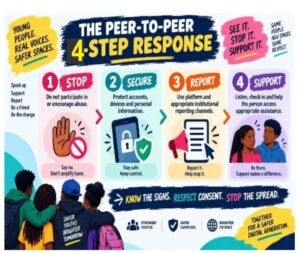
She said the factsheet provides a four-step response framework for young women experiencing TFGBV: Stop, Secure, Report and Support.
“Recognising technology-facilitated gender-based violence is an important first step towards preventing it,” Oladunjoye said.
She urged young people and members of online communities to take shared responsibility for creating safer digital spaces.
JFC Nigeria said the initiative forms part of its broader work to promote public awareness and social change.