


HEATWAVE FORCES 10 MILLION PEOPLE TO STOP USING HOSEPIPES AS WATER CRISIS DEEPENS
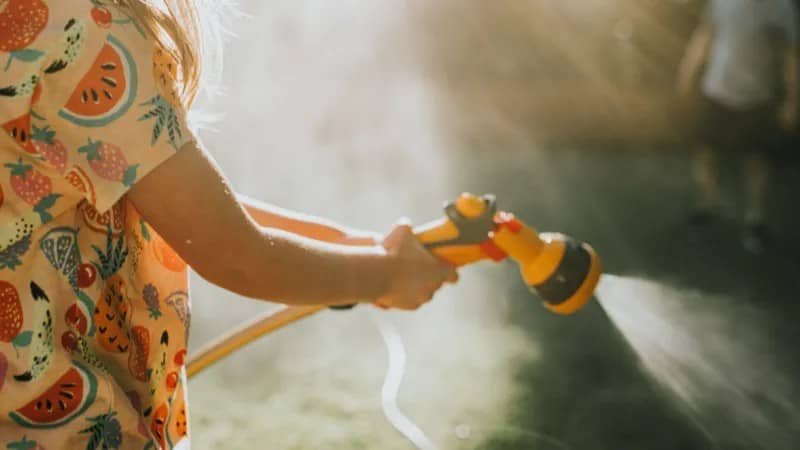
More than 10 million people have been ordered to stop using hosepipes after Thames Water imposed strict water restrictions following months of extreme heat and unusually low rainfall.
The ban, which takes effect on Thursday, prohibits customers from using hosepipes to water gardens, wash cars, fill swimming or paddling pools, and clean outdoor surfaces as authorities battle rising water demand and dwindling supplies.
Thames Water said the decision became necessary after its service area recorded only 40% of its average rainfall, while experiencing more days above 34°C this year than at any other time on record.
“We would not be taking this step unless it was necessary to protect water supplies for everyone and the environment,” said Nevil Muncaster, the company’s Director of Strategic Water Resources.
According to the utility company, water consumption has surged well above normal levels, with residents using an additional 100 million litres of water every day as repeated heatwaves drive up demand.
Although there is still enough water for drinking, cooking, washing and other essential household needs, officials warned that non-essential outdoor use must be reduced to prevent shortages.
Customers can still water plants with watering cans and wash vehicles using buckets, while exemptions apply for health, disability, animal welfare and food crop irrigation.
The restrictions affect customers across Greater London, the Thames Valley, and parts of Surrey, Gloucestershire and Wiltshire, making it one of the largest hosepipe bans introduced in England this summer.
The announcement comes as several other UK water companies have also imposed similar restrictions after one of the country’s driest and hottest summers in decades. Some parts of southern England have reportedly gone more than four weeks without measurable rainfall.
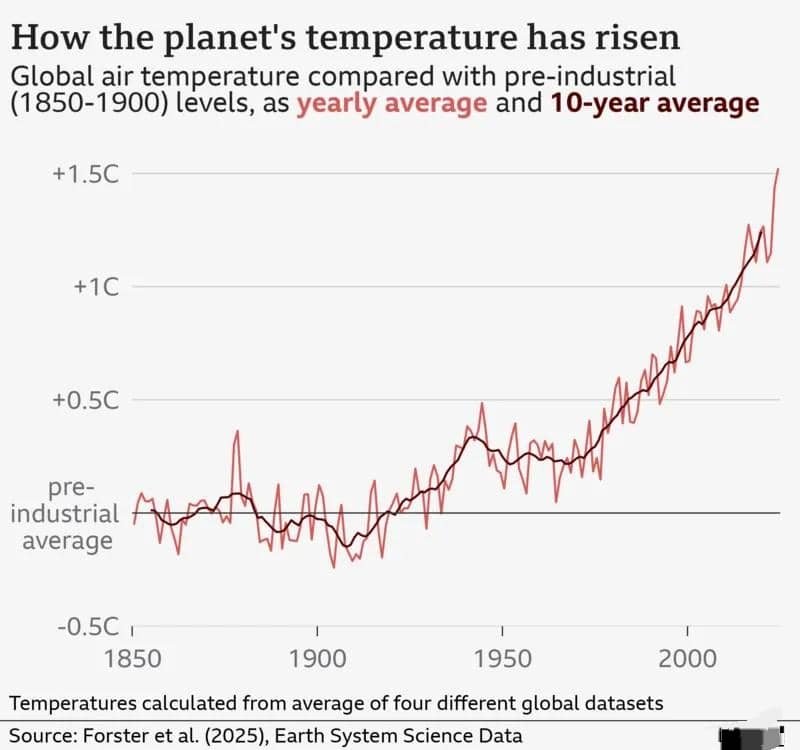
The crisis also highlights broader concerns over climate change, increasing pressure on ageing water infrastructure and growing demand during prolonged heatwaves.