

WHY IS SCIENCE NOT SOLVING THE WORLD’S BIGGEST PROBLEMS? UNESCO DIRECTOR-GENERAL EXPLAINS THE MISSING LINK
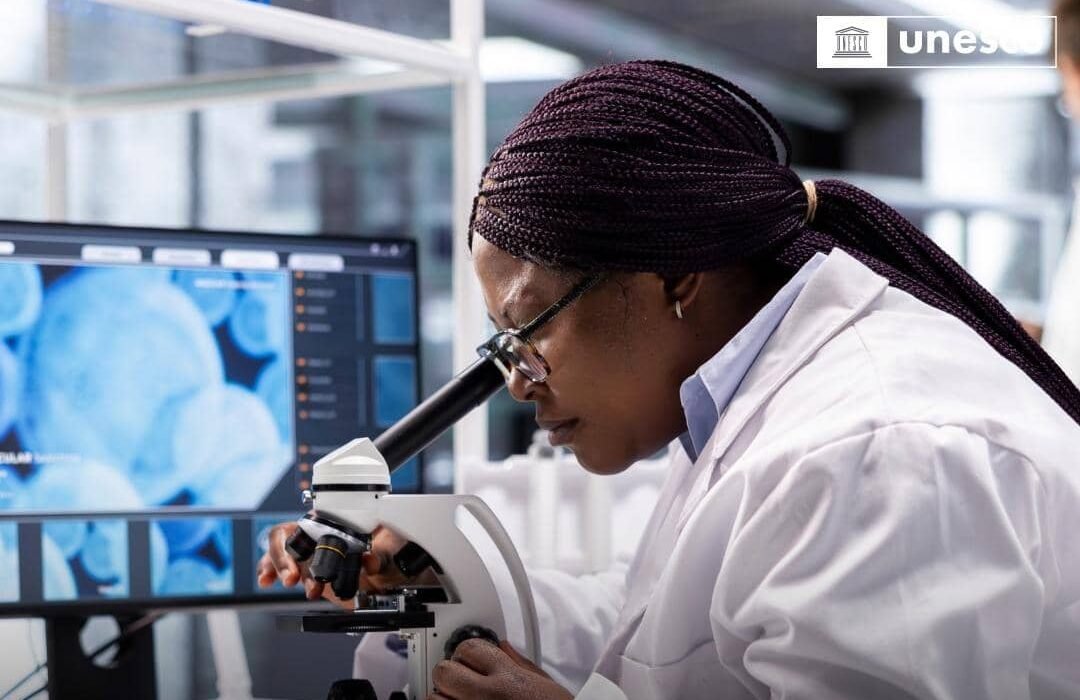
The world is not short of scientific knowledge, but stronger systems, policies and investments are needed to transform research into practical solutions that benefit people and the planet, UNESCO Director-General Khaled El-Enany has said.
El-Enany made the remarks as UNESCO opened the 2026 Global Conference of the International Decade of Sciences for Sustainable Development (IDSSD) in Paris, alongside the release of the first global report assessing scientific progress two years into the decade.
The report reveals significant growth in global scientific mobilisation, with researchers across the world developing initiatives aimed at addressing challenges such as climate change, inequality and the responsible governance of emerging technologies, including artificial intelligence.
However, UNESCO warned that persistent gaps in scientific participation, infrastructure and policy implementation could deepen inequalities and leave developing countries behind.
The First Global Report of the International Decade of Sciences for Sustainable Development analysed data from 397 endorsed scientific initiatives across 79 countries, showing that the global science community has mobilised more than $50 million in confirmed funding, with projects contributing to all 17 Sustainable Development Goals (SDGs).
Despite the progress, the report identified major disparities in global participation.
Africa, which represents 17.5 per cent of the world’s population, accounts for less than 10 per cent of initiatives under the Science Decade, highlighting continuing challenges around access, resources and representation.
The report also found that among participating initiatives, 40 per cent identified coordination difficulties as their biggest challenge, rather than funding constraints, suggesting that stronger governance and collaboration systems are essential to achieving greater impact.
“The world is not lacking scientific knowledge— what we need now are stronger systems to put that knowledge to work for people and the planet,” El-Enany said.
“Two years into the Science Decade, scientists across the world have mobilised with remarkable energy. Governments must now turn this momentum into policies, budgets and measurable impact — with UNESCO’s support.”
To accelerate progress and ensure science delivers solutions for society, the report recommends five major reforms.
They include changing research evaluation systems that promote a “publish or perish” culture; expanding equitable access to scientific infrastructure and knowledge; strengthening connections between researchers and policymakers; rebuilding public trust through scientific integrity and literacy; and establishing responsible frameworks for emerging technologies before they outpace regulation.